Supplying quality tool steels, die steels and alloy steels for diverse industrial applications.
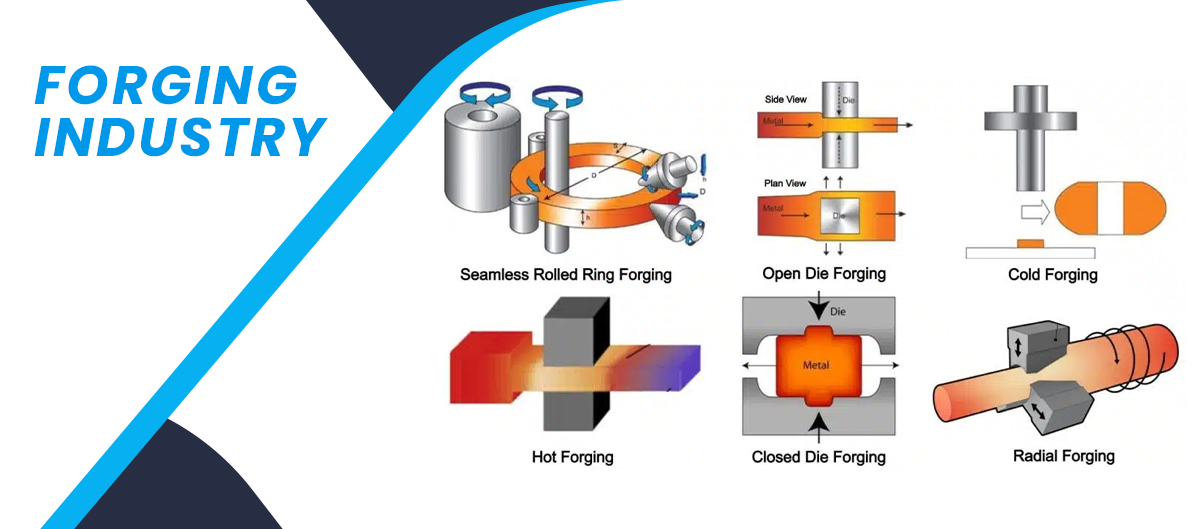
Forging is a metal-forming process in which compressive forces applied by a hammer or press shape the material. Forging processes include cold, warm and hot forging.
Mainly used materials:
DIN 1.2714 (DB6), DIN 1.2344 (H13), DIN 1.2343 (H11).
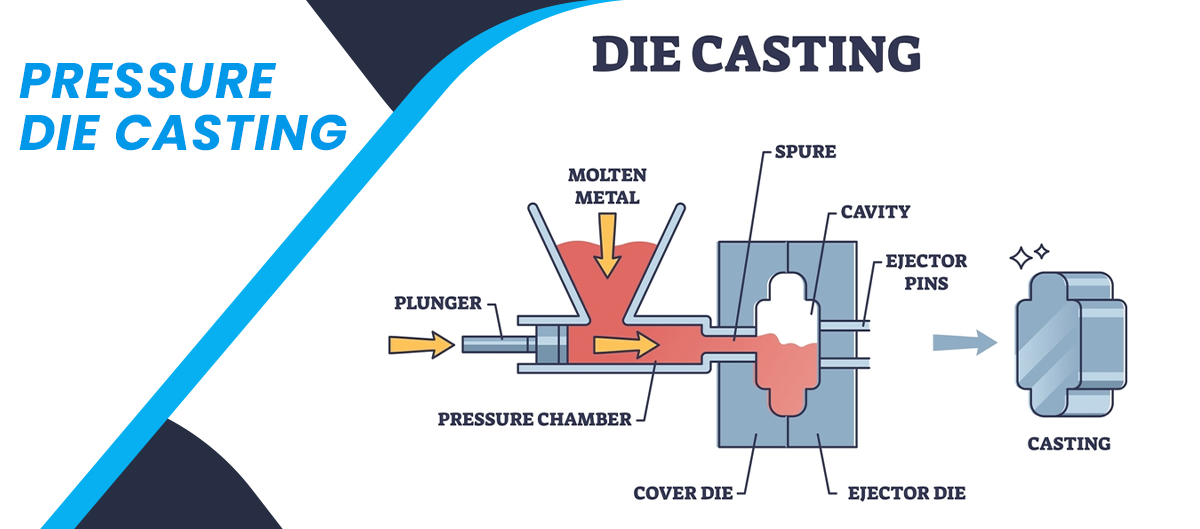
Pressure die casting involves injecting molten metal into a mould cavity under high pressure. The mould typically consists of two hardened tool steel dies designed to produce accurate components.
Mainly used materials:
DIN 1.2344 (H13), DIN 1.2343 (H11), DIN 1.2581 (H21).
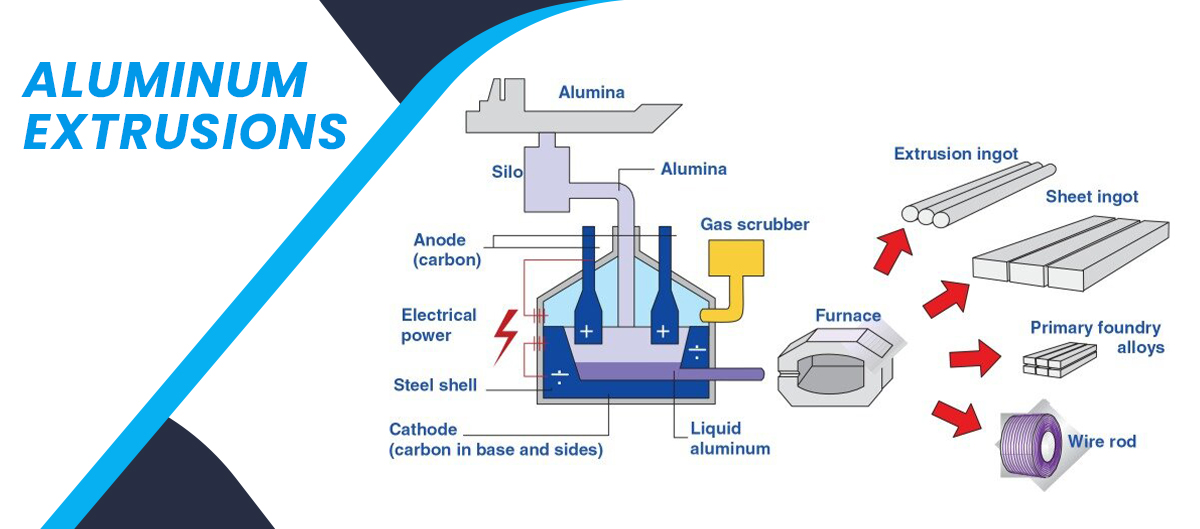
Aluminium extrusion forces heated material through a shaped die to produce components with specific cross-sections, complex profiles and good surface finishes.
Mainly used material:
DIN 1.2344 (H13).
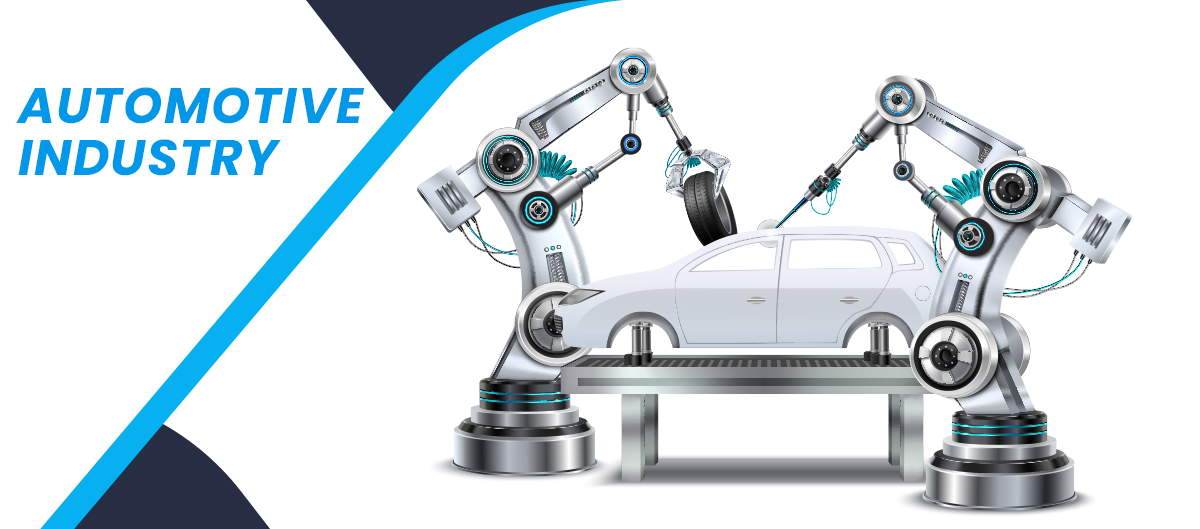
The automotive industry involves the design, development and manufacture of motor vehicles, components and associated tooling.
Mainly used materials:
DIN 1.2714 (DB6), 40NiCrMo84 (EN24), DIN 3343 (M2), 16MnCr5, 20MnCr5.
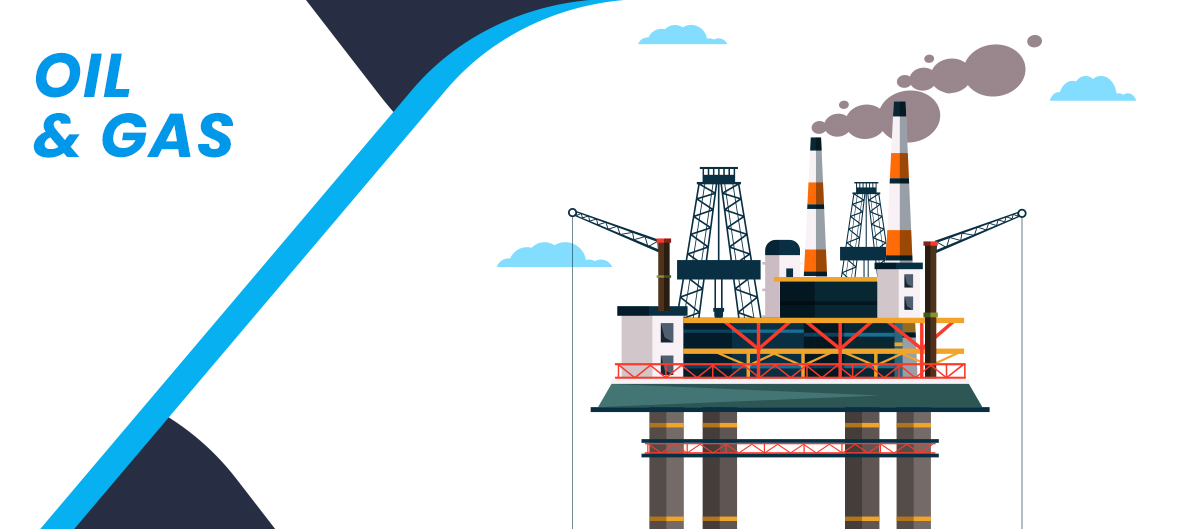
The oil and gas industry supports energy production and industrial operations. Reliable materials are important for equipment, machinery and components operating under demanding service conditions.
Steel selection depends on the component design, operating environment and required mechanical properties.
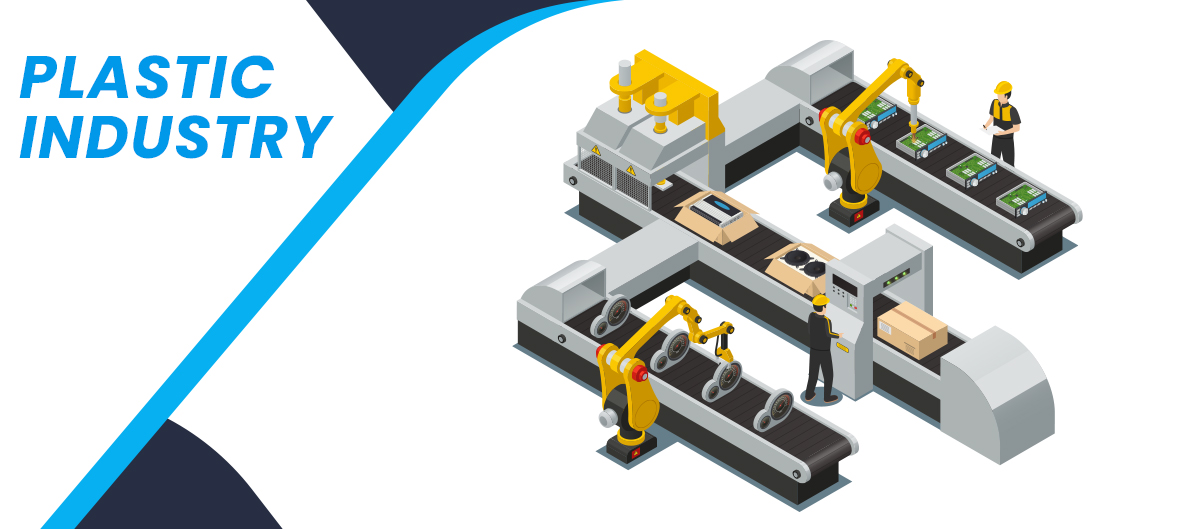
The plastics industry manufactures polymer products for packaging, construction, electronics, transportation and numerous other applications. Mould steel plays an important role in mould durability and product quality.
Mainly used materials:
DIN 1.2738 (P20+Ni), DIN 1.2311 (P20).
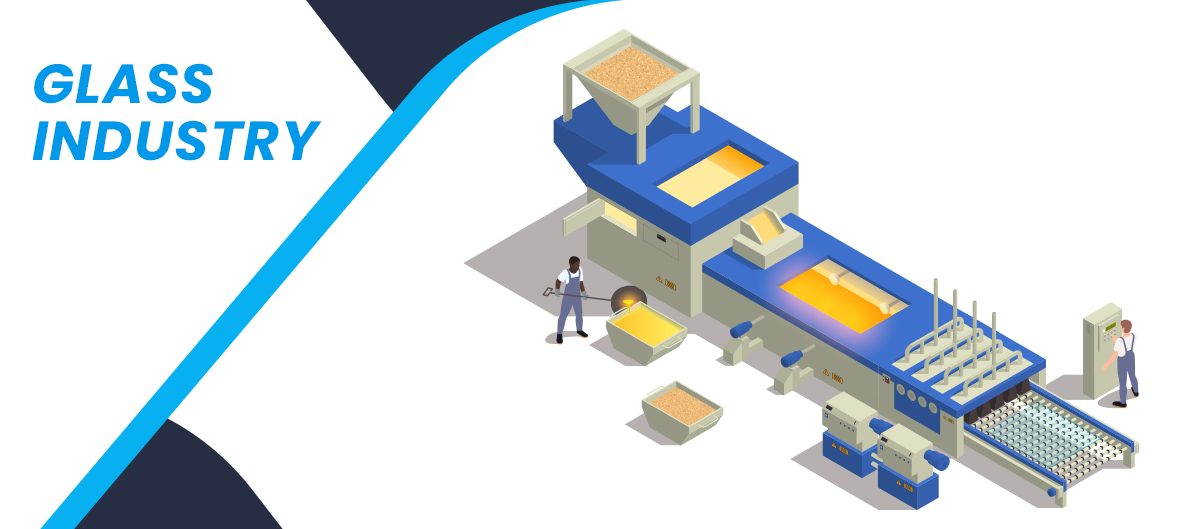
The glass industry manufactures products using processes such as float glass production and glassblowing. Tooling and equipment materials are selected according to the manufacturing process and operating conditions.
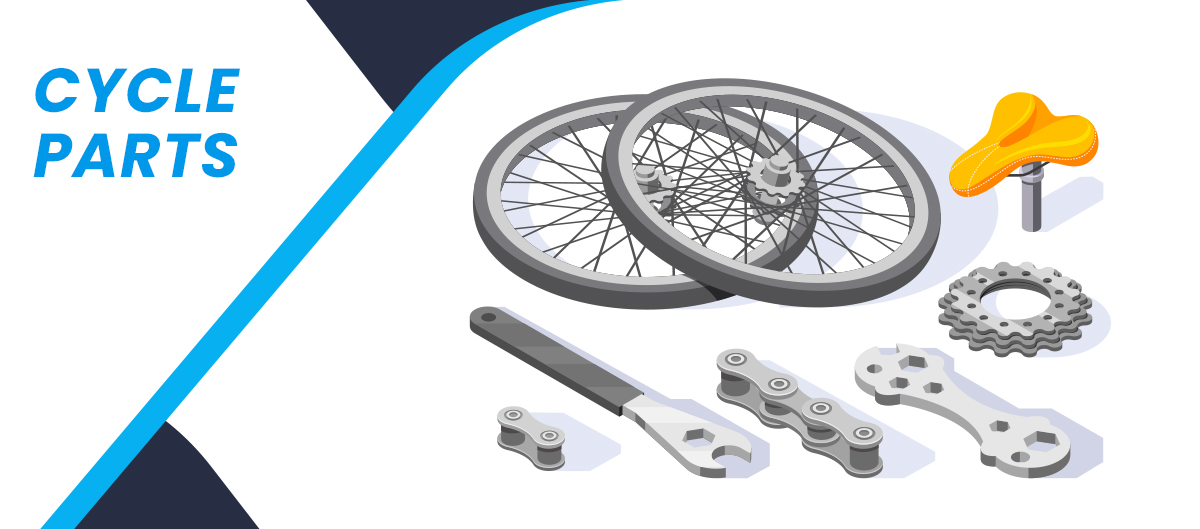
Bicycle component manufacturing includes bearings, chains, chainsets, cranks, handlebars, forks and other precision-engineered parts.
Mainly used materials:
DIN 1.2714 (DB6), DIN 1.2344 (H13), DIN 1.2343 (H11).
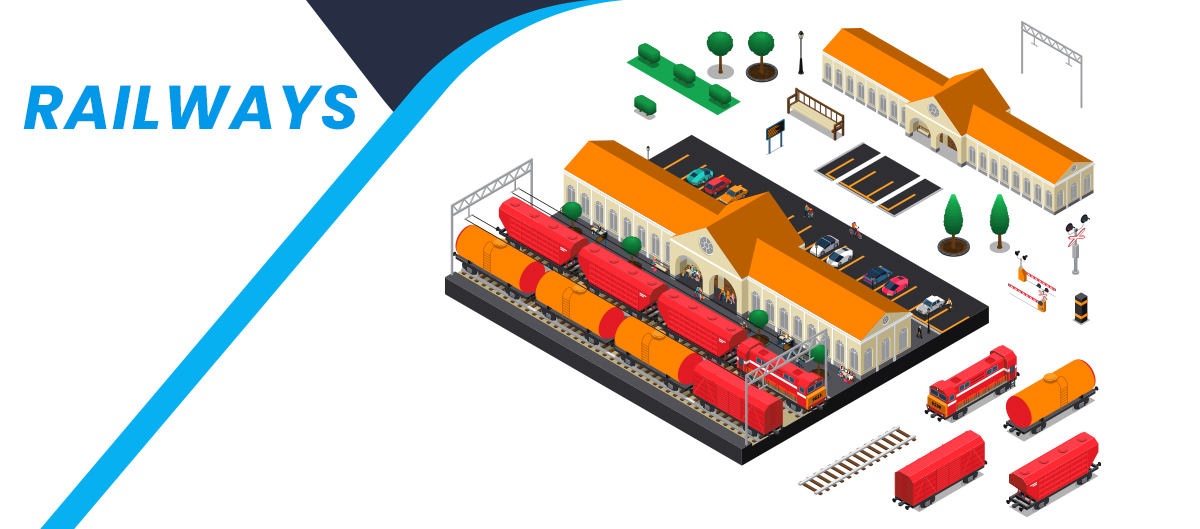
The railway industry uses a wide range of engineered components, including bogie parts, axles, pins, gear holders, crank mechanisms and compressor components.
Mainly used materials:
DIN 1.2714 (DB6), DIN 1.2344 (H13), DIN 1.2343 (H11), 40NiCrMo84 (EN24), 20NiCrMo5 (EN353).